Shift, Ctrl and Space do not identify a universal movement layer. The action beside the key is the reliable part of the instruction.
These examples use publisher records, not live input tests. GameDistribution games are currently unavailable on this site; the links are reference listings.
One key, several documented actions
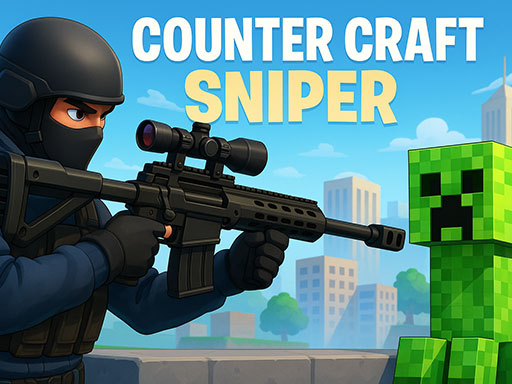
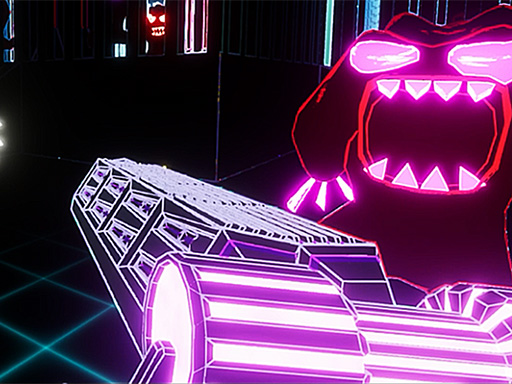
Counter Craft Sniper lists Shift for Run, C for Crouch and Space for Jump. Echolocation Shooter instead puts Dodge on Shift and Jump on Space. Cat vs Kripotians puts Jump on Shift.
This is enough to reject a default Shift-equals-sprint assumption. It is not enough to infer a dodge cooldown, animation duration or whether a movement action is a toggle. A jump can be a discrete action rather than something that modifies WASD while held.
Keep chords together
A chord describes simultaneous input, not several independent shortcuts. If instructions say Shift + W, copy the whole combination rather than recording only Shift.
Likewise, do not turn a list such as Run, Jump, Crouch into a requirement that all three keys be held together. A reference card should distinguish an explicitly documented chord from separate controls.
STALKER-Strike lists desktop Run, Jump and Crouch separately. Its phone/tablet section instead names a left joystick for Move/Run with a hold-forward instruction and buttons for other actions. That does not publish a continuous speed curve or prove identical movement values between devices.
Absence is a documentation limit
A listing that does not mention crouch might still have crouching, remapping, context-sensitive cover or no such action at all. Its omission cannot reveal map size, development budget or intended pacing.
Do not guess C because it appears elsewhere, or declare it safe from every browser shortcut. Read the available build’s help and settings when service is available, rather than trying undocumented combinations during a match.
Make a movement reference that survives a mode change
Write one line for each action with:
- Mode and device. Desktop solo and touch co-op may need different entries.
- Exact input. Keep left/right key qualifiers and chords if supplied.
- Action label. Run, dodge, jump and attack are not interchangeable.
- Hold/toggle/release. Record only what is explicitly stated.
- Unknown constraints. Stamina, cooldown and movement speed need evidence of their own.
For local multiplayer, consult both players’ blocks; one person’s Space binding may not apply to the other. The device comparison illustrates how to retain those boundaries instead of filling missing mobile controls from the desktop list.